Spider Control Pickering: Reliable Spider Removal for Properties
Spider Control Pickering: Reliable Spider Removal for Properties
Blog Article
Spiders help control insects, but indoor webs, egg sacs, and repeated sightings can indicate a property problem. Professional Spider Control Pickering services help determine the species, find activity, and limit conditions that support spider infestations.
Effective spider control goes beyond spraying visible spider webs. A qualified service checks the building, reviews likely entry points, treats active areas, and recommends useful changes. Mosquito Man is one business that provides pest control services, including support for properties managing spiders.
Why Spider Control Matters for Homes and Businesses
A few spiders near a window may not require urgent action. Regular activity in several rooms, however, deserves closer attention. A spider infestation often develops where insects, moisture, clutter, and shelter exist together. Spiders may enter through foundation openings, cracks and gaps, damaged screens, or poorly sealed doors.
Cobwebs can hold dust, dead insects, and debris. They often appear around ceiling corners, light fixtures, storage areas, and exterior doors. Frequent web removal without addressing the source may provide only a brief improvement.
Spider activity also affects property hygiene. In a home, webs may appear in kitchens, basements, bathrooms, and bedrooms. In a business, visible webs can make customers reconsider cleaning standards. Retail spaces, food-related operations, offices, and shared buildings need a clear pest management plan because business reputation can suffer when visitors see repeated spider sightings.
Professional spider control joins spider removal with preventive pest control. The aim is to reduce shelter and insect activity, not simply kill one spider at a time.

Typical Spiders Found Around Pickering Properties
Distinct spiders favor different property conditions. Accurate identification enables a technician choose a suitable response and skip treating areas that do not need attention.
- Indoor house spiders: These frequent household spiders often build random webs in corners, window frames, garages, and secluded storage areas. Their presence may rise where flying insects gather near lights.
- Garden orb-weaver spiders: Orb-weaver spiders create large, circular webs. They are usually found around gardens, shrubs, porches, fences, and outside lighting. Their webs may be rebuilt each night when insect activity remains high.
- Long-legged cellar spiders: Cellar spiders have slender, thin legs and often live in basements, crawl spaces, utility rooms, and other damp areas. They may point to moisture or untouched harbourage.
- Ground-hunting spiders: Wolf spiders do not rely on extensive webs to catch prey. They may enter through door gaps, garage openings, foundation cracks, or stored items. Their size can cause alarm even when only a few are present.
Most spiders encountered around homes are not aggressive. Still, many spiders, repeated indoor activity, or unidentified specimens justify a property inspection. Identification also helps distinguish spider activity from other pest issues.
What Attracts Spiders Inside and Outside
Spiders look for food and shelter. Insects are their chief source of food, so a building with many active insects can attract more spiders. Flying insects 集 around outdoor lighting, especially lights positioned beside doors, windows, and garage entrances.
Moisture makes favourable conditions for many insects and spiders. Damp areas may include basement floors, leaking pipes, crawl spaces, storage rooms, and shaded areas beside foundations. Cellar spiders are particularly likely to remain in cool and humid locations.
Entry points determine how easily spiders move indoors. Common routes include:
- Cracks and gaps around foundations, siding, and window frames
- Unsealed service openings for cables, pipes, and utility lines
- Damaged window screens and loose door sweeps
- Gaps beneath garage doors
- Open vents and poorly fitted covers
- Firewood, planters, boxes, and outdoor items placed against walls
Exterior clutter also gives spiders areas for shelter. Dense vegetation touching the building, stacked materials, and unused equipment can support web activity near walls. A treatment plan should deal with these conditions as well as insect control.
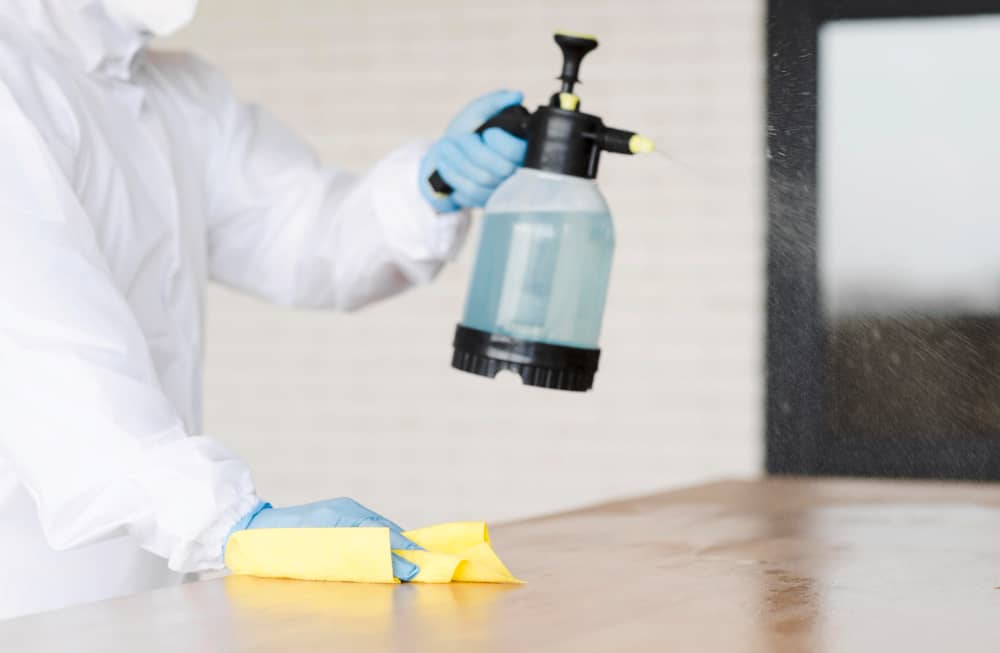
Expert Spider Control Pickering Service Process
A professional service starts with a property inspection instead of using a standard application. The technician checks indoor and outdoor areas, discusses spider sightings, and checks for signs of insects, moisture, and access routes.
Spider identification guides the next steps. A technician may assess body shape, web style, location, and activity pattern. The service then creates targeted treatment for active zones, likely harbourage areas, and exterior access points.
Targeted treatment may involve an interior treatment, exterior perimeter work, web removal, and recommendations for sealing openings. Product selection and application should follow product labels and the conditions found during the visit.
A follow-up service may be suggested when activity is widespread or conditions continue to attract insects. A follow-up inspection helps determine whether treatment results match the original plan and whether further prevention is needed.
Inspection and Infestation Assessment
The inspection should cover more than rooms where you noticed spiders. Technicians inspect web locations around ceilings, windows, doors, storage spaces, light fixtures, and exterior walls. Repeated spider webs in the same areas can show a consistent entry route or nearby food source.
Egg sacs need attention because they can contain many developing spiders. A technician may look behind stored items, under ledges, in basement corners, around garage frames, and within exterior vegetation. Removing visible egg sacs is part of practical spider removal, although it does not replace source control.
Cracks and gaps around windows, doors, foundations, and utility penetrations can let spiders and insects to enter. Harbourage areas may include wood piles, dense shrubs, unused containers, insulation gaps, and cluttered storage zones.
The assessment should document the affected areas, the level of activity, possible species, moisture concerns, and conditions that may affect treatment. This information supports a better targeted plan for homes and commercial properties.
Indoor and Exterior Spider Treatment
Interior treatment focuses on areas with spider activity and common spider routes. Based on the inspection, a technician may use treatment along baseboards in specific rooms, address cracks and gaps, and remove accessible webs. The treatment should prevent unnecessary application to surfaces that do not contribute to the problem.
Exterior work may include spraying around the perimeter along foundations, door frames, window frames, and other access points. Perimeter treatment is most useful when combined with repairs to screens, door sweeps, and foundation openings. The exterior perimeter should also be checked for insect activity and dense plant growth.
Web removal enhances the appearance of the property and clears away trapped insects that may attract more spiders. In difficult areas, professional equipment allows safer access than ladders or improvised tools.
A preventive barrier may help reduce future movement across treated zones. The service should tell you where the product was applied, how long it may remain effective, and which steps you need to take after the visit. Safe application depends on observing the label, using the correct amount, and keeping people and pets away during the required period.
Spider Removal for Residential Properties
Residential properties often experience spider activity in basements, garages, lofts, and around window and door openings. Each area calls for a specific response.
Basements may have moisture, drain openings, storage clutter, and poor air circulation. Basement spiders can stay in secluded areas for extended periods. Repairing leaks, increasing airflow, and cutting down on cardboard storage can improve treatment results.
Garages provide simple entry through door gaps and stored items along the edges. Garage spiders may hide behind equipment, boxes, and seasonal belongings. A door sweep, weatherstripping, and a clear perimeter can remove shelter.
Attics can draw in spiders through vent openings, spaces near wiring, and insect access. Check screens and vents without restricting required airflow. Remove old webs where safe, and ask a professional to assess areas that are hard to access.
Windows and doors need regular attention because they bring together light, insect activity, and entry points. Replace window screens, fit door sweeps, and keep exterior lighting positioned away from openings where practical. These changes help with long-term prevention.
Pest Control for Commercial Properties
Business premises face extra scrutiny because customers, employees, suppliers, and visitors may notice pest activity. Retail spaces often have bright displays and doors that open frequently. Offices may have storage rooms, loading areas, and quiet ceiling spaces where webs remain unseen until they become noticeable.
A commercial service should account for operating hours, sensitive areas, staff access, and the need to document each visit. Treatment may focus on exterior access points, service rooms, waste areas, loading zones, and locations where insects gather.
Integrated pest management combines inspection, sanitation, exclusion, monitoring, and carefully selected treatments. This approach reduces reliance on repeated applications by addressing the conditions that support spiders and their prey.
Businesses should keep records of sightings, web locations, inspections, corrective actions, and follow-up visits. Staff can help by reporting activity early and keeping storage areas orderly. A clear pest management plan protects property hygiene and supports business reputation.
Ways to Prevent Spiders After a Treatment
A regular prevention routine gives the best results. Start by sealing openings around foundation walls, windows, doors, vents, pipes, and cables. Replace damaged caulking and add suitable door sweeps where light or air passes beneath doors.
Reducing clutter cuts down hiding places. Keep boxes off the floor, put seasonal items in sealed containers, and leave space between stored materials and walls. Relocate firewood, boards, and unused equipment away from the building.
Screen repairs matter. Examine window screens, vent covers, and door screens for holes or loose edges. Clear spider webs from accessible exterior areas before they spread, while being cautious imp source near heights and electrical fixtures.
Regular cleaning can reduce webs, insects, and dust that support activity. Vacuum corners, behind appliances, basement edges, garage walls, and storage areas. Correct leaks and support better airflow in damp areas. Check outdoor lighting if it consistently draws insects beside entry doors.
These actions complement professional preventive pest control. They do not substitute for treatment when recurring activity, egg sacs, or significant insect activity continues.
Is Professional Spider Removal Safe for Pets and Families?
Expert spider removal can be carried out safely when trained pest technicians observe product labels and standard application steps. Before service, tell the company about children, pets, allergies, aquariums, and sensitive rooms.
Confirm which products will be used, where they will be applied, and what preparation is required. Product labels set directions for application, ventilation, food protection, and re-entry instructions. Use the technician’s directions rather than returning to treated areas early.
Pet safety requires extra care. Take away pet bowls, toys, bedding, and food from treatment areas. Keep cats, dogs, birds, and other animals away until the stated re-entry period has passed. Aquariums may need careful covering because some products can harm aquatic life.
Do not come into contact with wet product or disturb treated surfaces unless the technician gives permission. A responsible service outlines the safe application steps and provides clear instructions before leaving.
When to Call a Spider Control Expert
Call a professional when recurring sightings continue after cleaning and basic repairs. Repeated activity in several rooms can suggest a shared entry route, moisture issue, or high insect population.
Large numbers of spiders need assessment, especially when activity appears in occupied rooms or business areas. Multiple egg sacs also call for quick service because they may indicate an established breeding site.
Hard-to-reach webs around roofs, tall exterior walls, attics, ceiling voids, and high stairwells create safety risks. Professional equipment and training can limit the chance of falls or accidental contact with electrical fixtures.
Contact an expert if you cannot identify the spider, if activity returns after treatment, or if you find spiders together with moisture damage or other pests. Early action can lower the amount of treatment required.
Spider Control Pricing and Treatment Timelines
Service pricing depends on several factors. Property size affects the number of areas that require inspection and treatment. Infestation severity influences preparation, web removal, product use, and the need for follow-up service.
Additional pricing factors may include the number of buildings, indoor access, exterior height, clutter, moisture problems, and the level of insect activity. Commercial properties may require scheduled visits, documentation, and treatment outside business hours.
Request a clear explanation of the service scope before work begins. The quote should identify the areas included, preparation requirements, treatment type, follow-up options, and any conditions that could change the price.
Treatment results vary. You may see fewer active spiders soon after treatment, while webs and inactive specimens may remain until removed. Newly hatched spiders or continued insect activity can lead to later sightings. A follow-up inspection helps determine whether the property needs another visit or further exclusion work.
Some properties improve after one focused service and several repairs. Others need repeated visits because moisture, vegetation, structural gaps, or insect activity continue. Long-term prevention depends on both professional service and property maintenance.
Frequently Asked Questions
How can I prevent spiders in my Pickering home?
Close entry points around foundations, windows, doors, vents, and utility lines. Repair window screens, add door sweeps, reduce clutter, vacuum spider webs, correct moisture problems, and keep vegetation away from exterior walls. If spider sightings continue, arrange a property inspection to identify hidden access routes and insect activity.
Are spiders common in Pickering?
Spiders are common around homes and businesses because buildings provide shelter, warmth, moisture, and access to insects. Activity often increases near outdoor lighting, gardens, basements, garages, and openings around doors and windows. The presence of a few spiders is normal, but repeated sightings or many webs may require professional spider control.
Which spiders are found around Pickering homes?
Common species include house spiders, orb-weaver spiders, cellar spiders, and wolf spiders. House and cellar spiders often appear indoors, while orb-weaver spiders usually build webs outdoors. Wolf spiders may enter through gaps and garage openings. A technician can identify the species from its appearance, web pattern, and location.
What is the cost of spider control in Pickering?
Control costs are based on property size, infestation severity, access, the amount of web coverage, moisture levels, clutter, and whether follow-up visits are needed. Commercial properties may also need scheduled service and documentation. Request service pricing based on an inspection and ask what the quote includes.
Is professional spider removal safe for pets?
Professional removal can be safe for pets when licensed pest control technicians follow product labels and provide clear re-entry instructions. Remove pets, bowls, toys, and bedding from treatment areas. Keep pets away for the full period advised by the technician, and take extra precautions with birds and aquariums.
When is it time to contact a spider control expert?
Call an expert for spiders that keep appearing, large numbers of spiders, several egg sacs, unidentified specimens, or inaccessible webs. Professional help is also useful when activity returns after cleaning or when spiders appear alongside moisture, clutter, or insect activity.
Why do spiders enter homes in Pickering?
Spiders follow insects and seek shelter. Outdoor lighting can bring insects toward doors and windows. Moisture, damp areas, clutter, vegetation, cracks and gaps, foundation openings, and damaged screens can then support spider activity. Reducing these conditions is a key part of pest management.
When should spider control treatments start working?
Many properties show fewer spider sightings soon after targeted treatment, but results depend on the species, infestation severity, entry points, and insect activity. Web removal may produce an immediate visual change, while prevention and follow-up work may take longer. Your technician should explain likely treatment outcomes and any required return visit.
Report this page